
Have you ever wondered whether you get more done working in the morning or late at night? Finding your best work time can change everything—from your focus and energy to how you balance your day.
Maybe you feel sharp and ready as soon as the sun rises, or perhaps the quiet of night helps you dive deep without distractions. Which one truly boosts your productivity and keeps you feeling good? You’ll discover the surprising benefits and challenges of both morning and night work.
By the end, you’ll be able to decide which schedule fits your body, mind, and lifestyle best—so you can work smarter, not harder. Keep reading to unlock the secret to your most productive hours!
:max_bytes(150000):strip_icc()/GettyImages-1486149239-9280561c137543f8a0be5f00396b2862.jpg)
Morning Work Benefits
Boosted productivity happens because mornings often have fewer distractions. Minds feel sharper and tasks get done faster. Early hours help focus better on work that needs attention.
Mental freshness is higher after a good night’s sleep. The brain clears out tiredness and gets ready to solve problems. People feel more alert and less stressed in the morning.
The healthy body clock keeps the body’s rhythm regular. Working in the morning matches natural sleep and wake cycles. This helps avoid feeling tired or sleepy during work.
Morning work offers social life advantages. People finish work early and have time for family and friends. Evenings can be free to relax or meet others without feeling rushed.
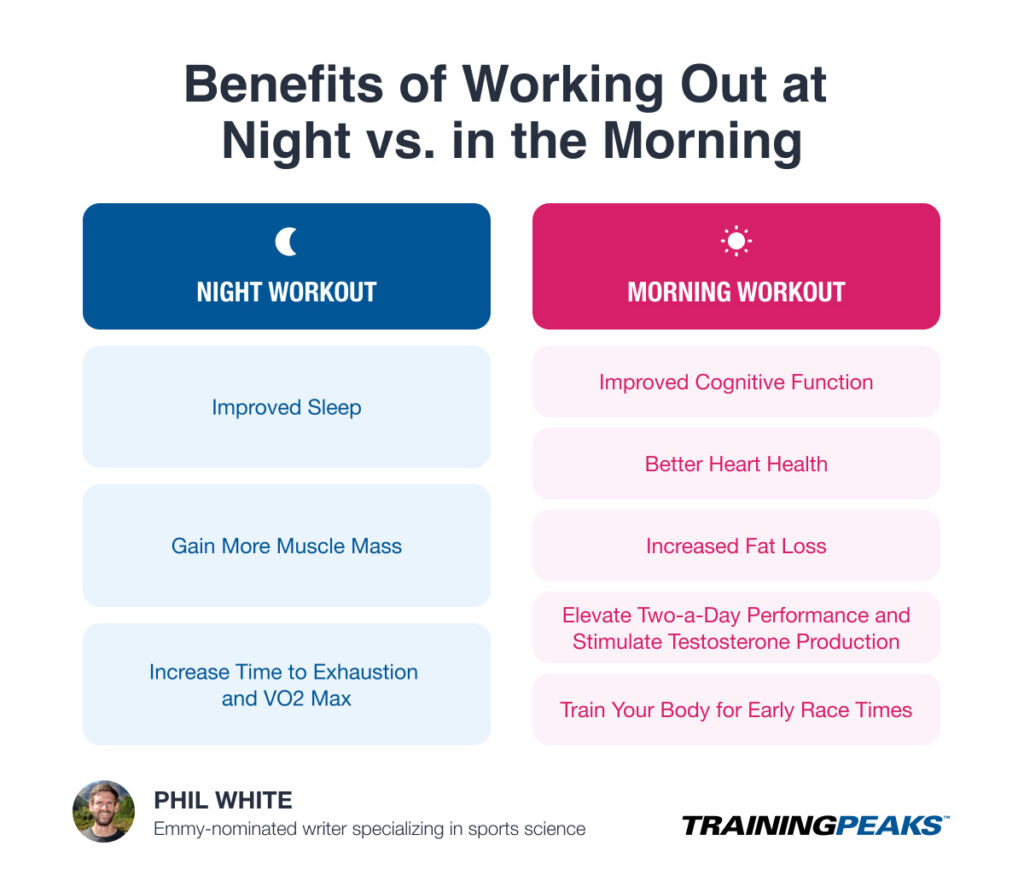
Night Work Benefits
Working at night offers several benefits that many find helpful. There are usually fewer distractions as most people sleep, making it easier to focus deeply. This quiet time can boost creativity, allowing fresh ideas to flow without interruption.
Physical performance often hits its peak at night for some people, helping with tasks that need energy and strength. Night work can also serve as a form of stress relief, giving a calm break from busy daytime demands.
Health Impacts
Sleep patterns often suffer when working at night. Night shifts can cause poor sleep quality and shorter sleep duration. This disrupts the body’s natural clock, making rest less refreshing. Morning work usually supports better sleep cycles and helps maintain regular sleep habits.
Metabolic health is affected by work hours. Night work can lead to weight gain and poor glucose control. The body’s metabolism slows down at night, causing issues with energy use. Morning work aligns better with natural metabolism, supporting healthy digestion and energy balance.
Cardiovascular health risks rise with night work. Studies show higher chances of heart disease and high blood pressure in night workers. This is due to stress on the heart from irregular schedules. Daytime work helps maintain stable blood pressure and heart rhythm.
Long-term risks of night work include chronic illnesses and mental health problems. Consistent night shifts can lead to fatigue, anxiety, and depression. Working in the morning reduces these risks by keeping the body clock steady.
Chronotypes And Productivity
Early birds tend to wake up early and feel most active in the morning. They often finish tasks faster and have a clear mind during early hours. Night owls feel more awake and creative at night. They may face fewer distractions when working late. Both types have unique productivity peaks based on their body clocks.
Aligning work with your natural chronotype helps improve focus and energy. Early birds may do better with tasks needing attention in the morning. Night owls might find complex thinking easier at night.
Trying different schedules helps find the best work time. Some people do well splitting tasks between morning and night. Others stick to one time that fits their rhythm. Experimenting allows you to match work hours with your natural energy.
Work Environment Factors
Social interactions tend to be easier during the day. Most people work standard hours, making it simpler to connect with coworkers and friends. Night workers may feel isolated because fewer people are awake or available. This can affect mood and motivation.
Work-life balance often fits better with morning work. Day shifts allow more time for evening activities and rest. Night shifts can disrupt family time and personal routines. Balancing work and life is harder when schedules don’t match those of loved ones.
| Factor | Morning | Night |
|---|---|---|
| Distraction Levels | More distractions from calls and people | Fewer distractions, quieter environment |
| Family Commitments | Easier to manage, overlaps with family time | Harder to attend family events or chores |
Consistency And Routine
Regularity helps the body and mind stay balanced. Following a consistent routine trains the brain to focus better. It also makes tasks feel easier over time.
Building habits requires repeating actions daily. Small steps each day lead to big changes. Sticking to a set schedule helps form these habits faster.
Everyone has personal preferences for work times. Some feel alert in the morning, others at night. Adapting to what suits you best boosts productivity and happiness.
Choosing Your Best Time
Choosing your best work time depends on personal goals. Some want to finish tasks quickly. Others aim to be creative or focus deeply. Knowing what you want helps pick morning or night.
Your body sends clear signs about when you work best. Some feel fresh and alert in the morning. Others find their energy peaks at night. Trust these natural rhythms for better results.
Balancing work with life is key. Morning work fits well with social activities and family time. Night work might suit those who need quiet and fewer interruptions. Choose what fits your daily routine and keeps you happy.
:max_bytes(150000):strip_icc()/daynightworkout-GettyImages-531694172-551f077864d64a188207d614cbdeec98.jpg)
Frequently Asked Questions
Is It Better To Work Nights Or Mornings?
Working mornings aligns with natural body rhythms and social life, promoting better health and consistency. Night work suits some but may disrupt sleep and social time. Choose based on your productivity peaks, lifestyle, and personal preference for best results.
Do You Work Better In The Morning Or Night?
I work best based on individual energy peaks. Some perform better in the morning, others excel at night. Experiment to find your ideal time.
Is It Better To Work Out In The Morning Or At Night Time?
Both morning and night workouts have benefits. Choose based on your energy, goals, and daily routine for best consistency and results.
What Is The Best Time To Work During The Day?
The best time to work depends on your peak energy and focus hours. Many prefer mornings for fresh minds and fewer distractions. Others thrive at night when it’s quieter. Choose a consistent time that fits your lifestyle and maximizes productivity.
Conclusion
Choosing to work in the morning or at night depends on your personal rhythm. Some people focus better with morning light and quiet hours. Others find fewer distractions and more energy late at night. Consider your lifestyle, health, and social needs before deciding.
Try different times to see when you feel most productive. Balancing work with rest and family time matters a lot. Remember, the best work time fits your unique body clock.