
Imagine a world where your marketing efforts run smoothly, bringing in new customers while you sip your morning coffee. This isn’t just a dream—it’s what marketing automation can do for you.
By harnessing the power of automation, you can streamline your campaigns, engage your audience more effectively, and ultimately boost your sales. But where do you start? Enter Mailchimp, the leading email marketing and automation platform that’s transforming the way businesses like yours connect with their audience. Mailchimp is not just about sending emails; it’s about crafting personalized experiences that resonate with your customers. With features like advanced segmentation, AI-powered content creation, and detailed analytics, Mailchimp is designed to help you understand your audience and engage them like never before. Whether you’re a small business owner or a marketing professional, Mailchimp offers the tools you need to succeed. Curious about how Mailchimp can revolutionize your marketing strategy? Click here to explore more about how this platform can increase your email opens, clicks, and sales, delivering a high return on investment. Dive into the full article to discover how you can make the most of marketing automation and transform your business today.
Introduction To Marketing Automation
Marketing automation has changed how businesses communicate with their customers. It uses technology to automate and streamline marketing tasks. This approach saves time and increases efficiency. Businesses can focus more on strategy and creativity, less on repetitive tasks. Tools like Mailchimp make automation accessible and effective for all sizes of businesses.
Understanding Marketing Automation
Marketing automation involves using software to perform marketing activities automatically. It handles tasks such as sending emails, managing social media, and tracking campaigns. This automation ensures consistent communication with customers. Tools like Mailchimp offer features like email automations and advanced segmentation. These features allow businesses to personalize communications. Personalized emails increase customer engagement and loyalty.
The Purpose And Impact On Business Growth
The primary purpose of marketing automation is to enhance business growth. It achieves this by improving customer interactions and increasing sales. For instance, Mailchimp’s generative AI tools create content that resonates with audiences. Businesses using Mailchimp have seen a 25x ROI from campaigns.
Marketing automation also provides valuable insights. Tools offer analytics & reporting to track performance. Businesses can make data-driven decisions to optimize strategies. This leads to increased efficiency and growth.
Here’s a quick overview of Mailchimp’s features and benefits:
| Feature | Description |
|---|---|
| Email Automations | Personalize emails using browsing and purchase data. |
| Generative AI Tools | Create content with AI tools and templates. |
| Advanced Segmentation | Target customers based on behavior and attributes. |
| Analytics & Reporting | Analyze performance with custom reports. |
| Integrations | Compatible with 300+ platforms like Shopify and Google Analytics. |
Mailchimp also offers a 14-day free trial, making it easy to explore its features.
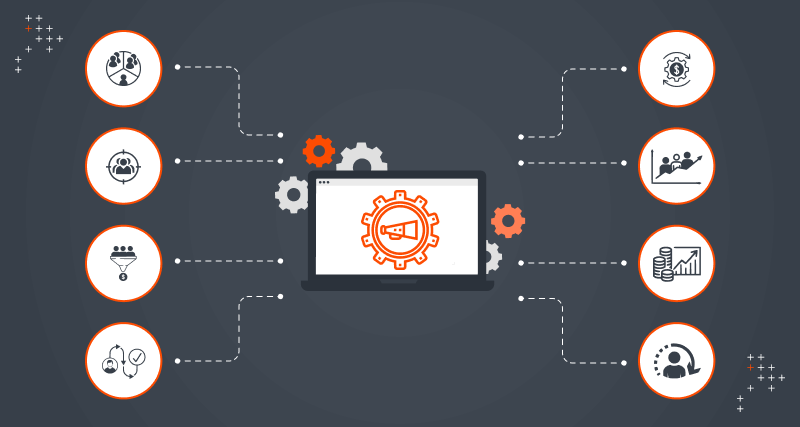
Credit: www.axelerant.com
Key Features Of Marketing Automation Tools
Marketing automation tools are crucial for businesses aiming to streamline operations. These tools help in enhancing customer engagement and boosting sales. They offer various features that simplify marketing tasks and improve efficiency.
Automated Email Campaigns And Segmentation
Automated email campaigns enable businesses to send targeted messages. These emails can be personalized using data like browsing habits and purchases. This personalization helps to increase customer engagement and boost order values. Mailchimp, for instance, utilizes advanced segmentation. It targets customers based on spending behavior and predicted attributes, ensuring messages reach the right audience.
Lead Scoring And Nurturing
Lead scoring helps in identifying potential customers. By assigning scores based on engagement, businesses can prioritize leads effectively. Nurturing these leads involves sending tailored content. This content can be educational or promotional, helping to move leads through the sales funnel. With tools like Mailchimp, businesses can automate this process, ensuring timely and relevant interactions with leads.
Crm Integration And Data Management
CRM integration is essential for a holistic marketing strategy. It ensures that all customer data is centralized and accessible. Marketing automation tools often integrate with CRMs like Salesforce. This integration enables seamless data management. Businesses can track interactions, update records, and analyze customer journeys efficiently. Mailchimp offers compatibility with over 300 platforms, including popular CRMs, enhancing its utility in managing customer data.
| Feature | Benefits |
|---|---|
| Email Automations | Boost orders and customer lifetime value with personalized emails. |
| Generative AI Tools | Create on-brand content effortlessly with AI. |
| Advanced Segmentation | Target customers with precision using spending behavior data. |
| Integrations | Compatible with platforms like Canva, Shopify, and Google Analytics. |
Pricing And Affordability Of Marketing Automation Solutions
Understanding the pricing and affordability of marketing automation solutions is crucial for businesses. The cost can vary greatly depending on features, scalability, and the size of your contact list. Solutions like Mailchimp offer flexible pricing models and plans tailored to different business needs.
Cost-benefit Analysis For Businesses
Mailchimp offers a high ROI with reports of up to 25x returns. This makes investing in their service highly beneficial. With over 11 million users globally, Mailchimp’s experience ensures effective email marketing strategies. Advanced features such as Email Automations and Generative AI Tools enhance marketing campaigns, providing significant value for the cost.
- Advanced Segmentation: Targets customers using advanced logic.
- Analytics & Reporting: Provides detailed performance insights.
- Integrations: Compatible with over 300 platforms.
Mailchimp’s pricing structure is based on the number of contacts, offering flexibility for businesses of different sizes. This ensures that you pay only for what you need.
Comparing Different Pricing Models
Mailchimp’s pricing model is competitive and scalable. The Standard Plan starts with a free 14-day trial, followed by a monthly fee beginning at S$25. The pricing adjusts based on contact numbers, ranging from 500 to 100,000 contacts.
| Plan Type | Starting Price | Discounts |
|---|---|---|
| Standard Plan | S$25/month | 15% off for over 10,000 contacts |
Mailchimp also offers refunds and return policies. Users can cancel or switch plans during the trial period without penalties. This flexibility allows businesses to adapt their spending according to their needs.
For companies with larger contact lists, there are discounts available, ensuring affordability even as your marketing needs grow. Overages apply if you exceed contact or email limits, so it’s wise to choose the plan that fits your requirements.
Mailchimp supports marketing efforts across multiple platforms, providing extensive integrations. This allows businesses to seamlessly incorporate their marketing activities into existing systems.
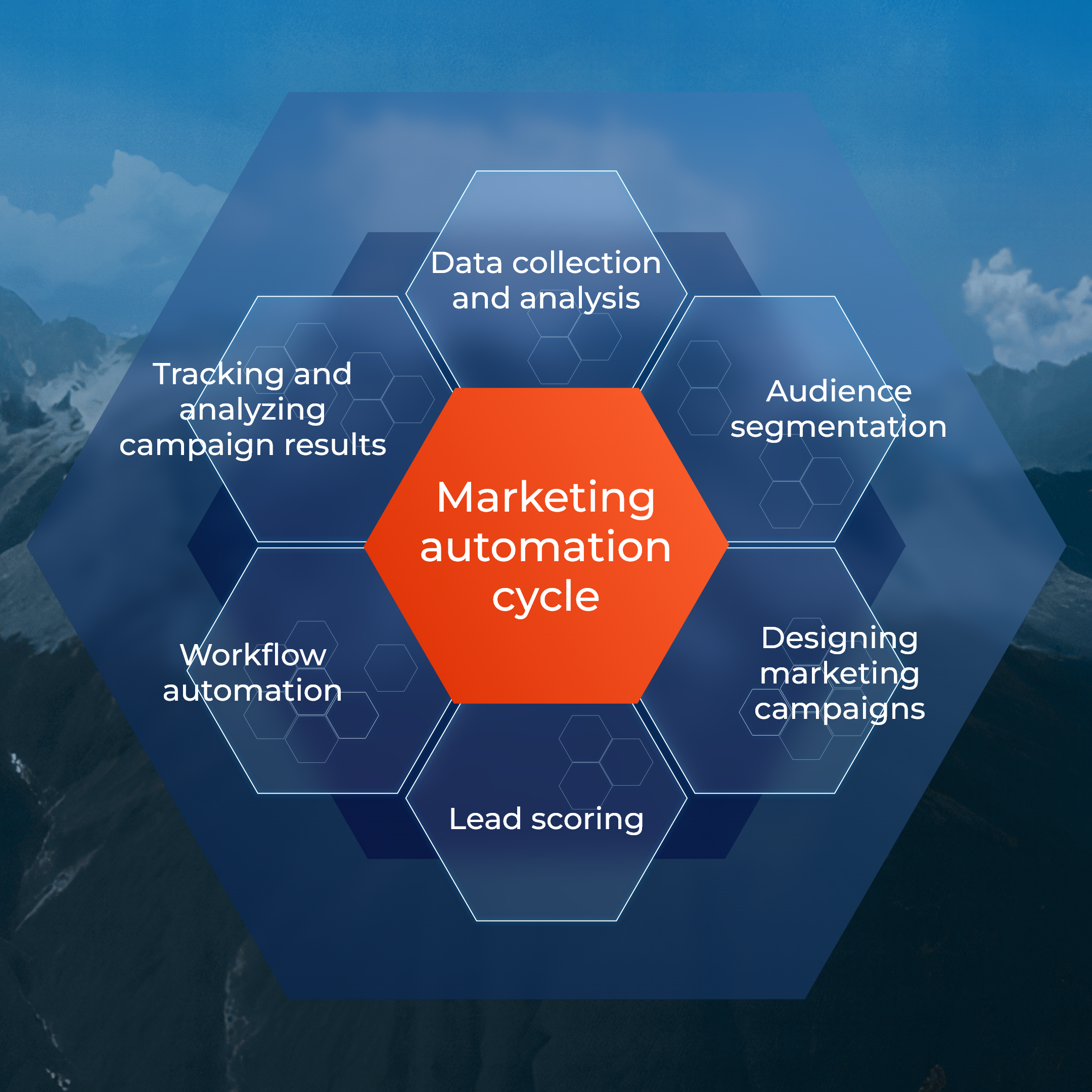
Credit: www.creatio.com
Pros And Cons Of Implementing Marketing Automation
Marketing automation is reshaping how businesses communicate with customers. Tools like Mailchimp offer unique benefits and challenges. Let’s explore the pros and cons of using marketing automation.
Advantages Of Streamlining Marketing Efforts
Implementing marketing automation can significantly enhance efficiency. Here are some key advantages:
- Time-Saving: Automate repetitive tasks, allowing more focus on strategy.
- Personalization: Use customer data to tailor messages, improving engagement.
- High ROI: Mailchimp users report up to 25x ROI from campaigns.
- Advanced Analytics: Gain insights through custom reports and funnel visualizations.
- Integration Capability: Connect with over 300 platforms, including Shopify and Google Analytics.
These benefits help businesses reach their goals more effectively.
Potential Challenges And Limitations
While automation offers many benefits, it also presents challenges:
- Initial Setup Complexity: Setting up can be time-consuming and requires learning.
- Cost Concerns: Plans start at S$25/month, with costs based on contact numbers.
- Overage Fees: Charges apply if contact or email limits are exceeded.
- Feature Variability: Available features differ by plan type, requiring careful selection.
- Data Management: Ensuring accurate data handling is crucial to avoid errors.
Understanding these challenges can help manage expectations and plan effectively.
Recommendations For Ideal Users And Scenarios
Marketing automation is a powerful tool that can streamline processes and enhance customer engagement. Understanding the ideal users and scenarios for marketing automation can significantly boost effectiveness. By identifying the right businesses and scenarios, users can maximize the impact of their marketing efforts.
Businesses That Benefit Most From Marketing Automation
Several types of businesses experience significant benefits from using marketing automation platforms like Mailchimp.
- E-commerce Businesses: These businesses can leverage personalized email automations to increase sales and improve customer retention.
- Retail Companies: Retailers can utilize advanced segmentation to target customers based on spending behavior and purchase history.
- Small to Medium Enterprises (SMEs): SMEs benefit from Mailchimp’s integration capabilities, connecting their marketing efforts across platforms like Shopify and QuickBooks.
- Service Providers: Businesses offering services can use analytics and reporting tools to optimize their marketing strategies.
Mailchimp’s robust features, including AI tools and extensive integrations, cater to a wide range of industries, making it a versatile choice for diverse business needs.
Scenarios Where Marketing Automation Provides Maximum Impact
Specific scenarios highlight the effectiveness of marketing automation in driving results.
- High-Volume Email Campaigns: Automations reduce manual effort, ensuring consistent communication and improved customer engagement.
- Data-Driven Targeting: Use advanced segmentation to deliver personalized content that resonates with specific audience segments.
- Performance Analysis: Custom reports and funnel visualizations help identify successful strategies and areas for improvement.
- Onboarding Processes: Personalized onboarding ensures new users have a seamless experience, boosting satisfaction and long-term loyalty.
Mailchimp’s features support varied marketing scenarios, enabling businesses to achieve up to 25x ROI from campaigns.
Leveraging marketing automation in these scenarios can enhance efficiency, boost sales, and increase customer satisfaction.
Frequently Asked Questions
What Is Meant By Marketing Automation?
Marketing automation uses software to automate repetitive marketing tasks. It helps manage campaigns across multiple channels. Businesses increase efficiency by targeting customers with personalized content. Automation includes email marketing, social media posting, and lead generation. This technology saves time, enhances customer engagement, and improves ROI.
Which Marketing Automation Tool Is Best?
Choosing the best marketing automation tool depends on your business needs. Popular options include HubSpot, Marketo, and ActiveCampaign. Evaluate features, pricing, and integrations. HubSpot is great for inbound marketing. Marketo excels in enterprise solutions. ActiveCampaign offers robust email marketing. Analyze your goals to find the best fit.
What Is Marketing Automation And Crm?
Marketing automation uses software to streamline marketing tasks, improving efficiency and targeting. CRM, or Customer Relationship Management, manages company interactions with customers, enhancing relationships and sales. Together, they optimize marketing efforts and customer engagement, driving business growth.
Is Marketing Automation An Ai?
Marketing automation is not AI. It uses software to automate repetitive marketing tasks. AI can enhance marketing automation by providing data-driven insights and personalized experiences. These tools work together to improve efficiency and effectiveness in marketing strategies.
Conclusion
Marketing automation streamlines your email efforts, saving time and boosting results. Tools like Mailchimp offer personalized strategies to enhance customer engagement. Its features—AI tools, advanced segmentation, and detailed analytics—provide actionable insights. Businesses benefit from its extensive integrations and a robust user base. With Mailchimp, you can start small and scale as needed. The flexible pricing ensures affordability for all business sizes. Explore Mailchimp’s email marketing platform to transform your marketing strategy today.