
Artificial Intelligence (AI) is changing how we do business. It helps us understand customers better. One important AI application is the intelligent agent. Let’s explore how intelligent agents can be used for web marketing.
What is an Intelligent Agent?
An intelligent agent is a program that acts on behalf of a user. It gathers information and makes decisions. These agents can help businesses improve their marketing strategies. They analyze customer data and provide useful insights.
How Intelligent Agents Work
Intelligent agents use several technologies. These include:
- Data collection
- Data analysis
- Natural Language Processing (NLP)
- Machine Learning (ML)
These technologies allow agents to learn and adapt. They track customer behavior and preferences. This helps businesses create personalized marketing strategies.
Benefits of Using Intelligent Agents in Web Marketing
Using intelligent agents offers many benefits. Here are some key advantages:
- Personalization: Agents can tailor messages to individual users.
- Efficiency: Automating tasks saves time and resources.
- Data-Driven Insights: Agents analyze data to guide marketing decisions.
- Customer Engagement: They enhance interaction with customers.
These benefits can lead to better customer satisfaction. Businesses can build stronger relationships with their customers.
Examples of Intelligent Agents in Marketing
Many companies use intelligent agents in their marketing efforts. Here are some examples:
1. Chatbots
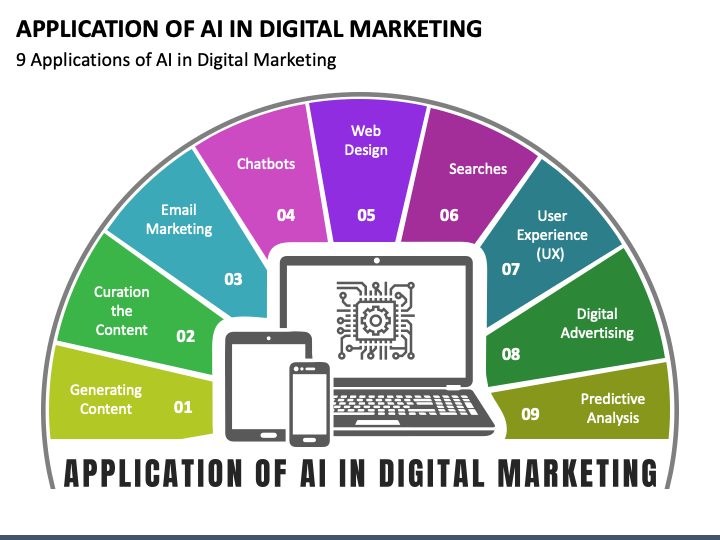
Chatbots are popular AI applications. They interact with customers on websites. Chatbots answer questions and provide information. They work 24/7, offering support anytime. This improves customer experience.
2. Recommendation Systems
Recommendation systems suggest products to users. They analyze past purchases and browsing history. This helps customers find items they might like. Many online stores use this feature.
3. Email Marketing Automation
Email marketing is important for businesses. Intelligent agents can send personalized emails. They analyze user behavior and preferences. This increases the chances of users opening emails.
How to Implement Intelligent Agents in Your Marketing Strategy
Implementing intelligent agents can seem complex. However, it can be done in simple steps:
- Identify Your Goals: Know what you want to achieve. This could be more sales or better engagement.
- Choose the Right Tool: Select an intelligent agent that fits your needs. Look for chatbots or recommendation systems.
- Integrate with Existing Systems: Make sure the agent works with your current tools. This will help in smooth operations.
- Monitor and Adjust: Regularly check the agent’s performance. Make changes as needed to improve results.
By following these steps, businesses can successfully use intelligent agents.
Challenges of Using Intelligent Agents
While intelligent agents offer many benefits, there are challenges too. Here are some common issues:
- Cost: Setting up intelligent agents can be expensive.
- Complexity: Some systems may be hard to understand.
- Data Privacy: Businesses must protect customer data.
Addressing these challenges is important. It ensures the successful use of intelligent agents in marketing.
The Future of Intelligent Agents in Marketing
The future of intelligent agents looks bright. As technology grows, these agents will improve. They will become smarter and more efficient. Businesses will find new ways to engage customers.
As AI technology advances, expect more automation. Companies will use intelligent agents to enhance their strategies. This will lead to better customer experiences.
Frequently Asked Questions
Is An Application Of Artificial Intelligence That Can Be Used For Web Marketing?
An artificial intelligence application used for web marketing is an intelligent agent. Intelligent agents automate tasks, analyze data, and offer personalized recommendations. They enhance customer engagement and optimize marketing strategies through data-driven insights, making them essential for effective digital marketing.
What Ai Is Used For Marketing?
AI tools for marketing include intelligent agents, chatbots, and data analytics platforms. These applications automate tasks, analyze customer data, and deliver personalized recommendations. Popular examples are ChatGPT for content creation and Canva’s AI for image generation. These technologies enhance engagement and optimize marketing strategies effectively.
What Are The 5 Applications Of Artificial Intelligence?
Five applications of artificial intelligence include: 1. Intelligent agents for personalized marketing. 2. Natural language processing for customer support. 3. Machine learning for predictive analytics. 4. Computer vision in image recognition. 5. Robotics for automated manufacturing processes.
What Are The 4 Types Of Ai Tools?
The four types of AI tools are: 1. Reactive Machines: These perform specific tasks without memory. 2. Limited Memory: They use past experiences to make decisions. 3. Theory of Mind: This type understands emotions and social interactions. 4. Self-Awareness: These possess consciousness and self-recognition.
Conclusion
In summary, intelligent agents are valuable tools in web marketing. They offer personalization, efficiency, and data-driven insights. Businesses can use these agents to improve customer engagement.
However, challenges exist. Cost, complexity, and data privacy must be considered. With careful planning, businesses can overcome these hurdles.
The future is bright for intelligent agents in marketing. They will continue to evolve and bring new opportunities. Now is the time for businesses to explore and implement these technologies.
By using intelligent agents, companies can connect better with their customers. This can lead to growth and success in the digital world.